
If you think escaping the winter freeze means dropping half your paycheck on an overcrowded mega-resort in Cancun or the Bahamas, think again.
That might be the default playbook for travelers dealing with freezing temperatures across the States, where winter brings endless slush and gray skies, but this Central American country didn’t get the memo.
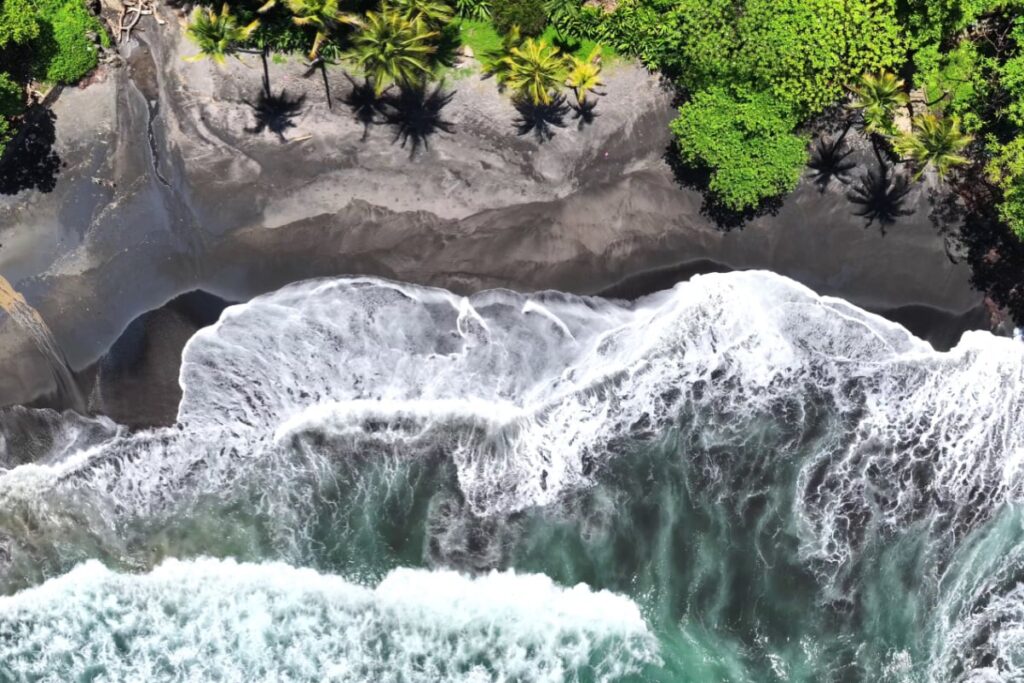
It has dramatic, jet-black volcanic beaches framed by world-class Pacific swells, ancient Maya pyramids hidden beneath lush jungle canopies, and authentic, handmade street meals that routinely cost under $5.
Most importantly?
The weather and the ocean hover at a balmy 85°F all winter long.
The Fastest-Rising Destination In The Americas
El Salvador, once completely bypassed by mainstream international itineraries, is having a massive moment right now.
According to official tourism figures, the country closed out 2025 by welcoming an unprecedented 4.1 million international visitors—the highest annual total in its modern history. That momentum has only accelerated through 2026, with the first half of the year already recording over 1.7 million tourist arrivals and generating well over $800 million in travel earnings in the first quarter alone.
Tourism now drives roughly 11% to 12% of El Salvador’s entire GDP. To keep pace with the surge, El Salvador International Airport (SAL) processed a record-shattering 5.2 million passengers over the past year.
When we touched down in El Salvador for the first time, it took about twenty minutes on the coast to realize why this country is rewriting the global travel map.
Surf City: Black Sands And Point Breaks
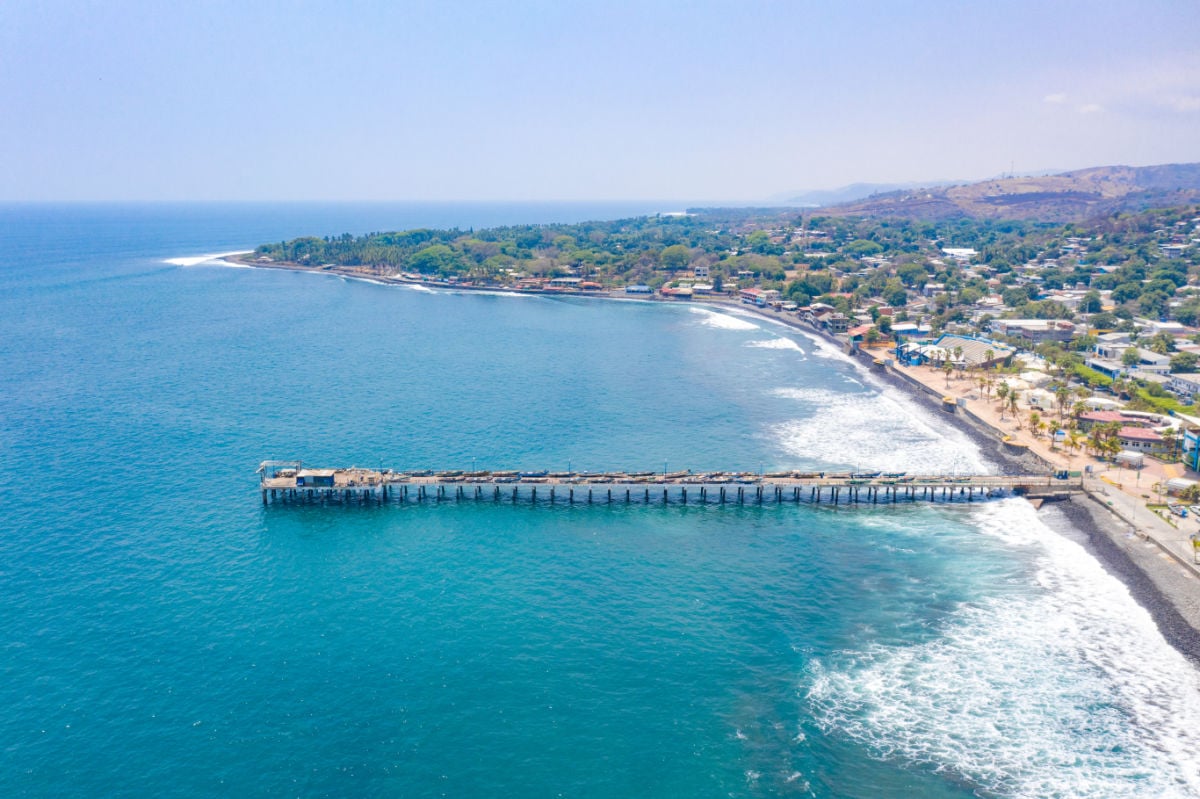
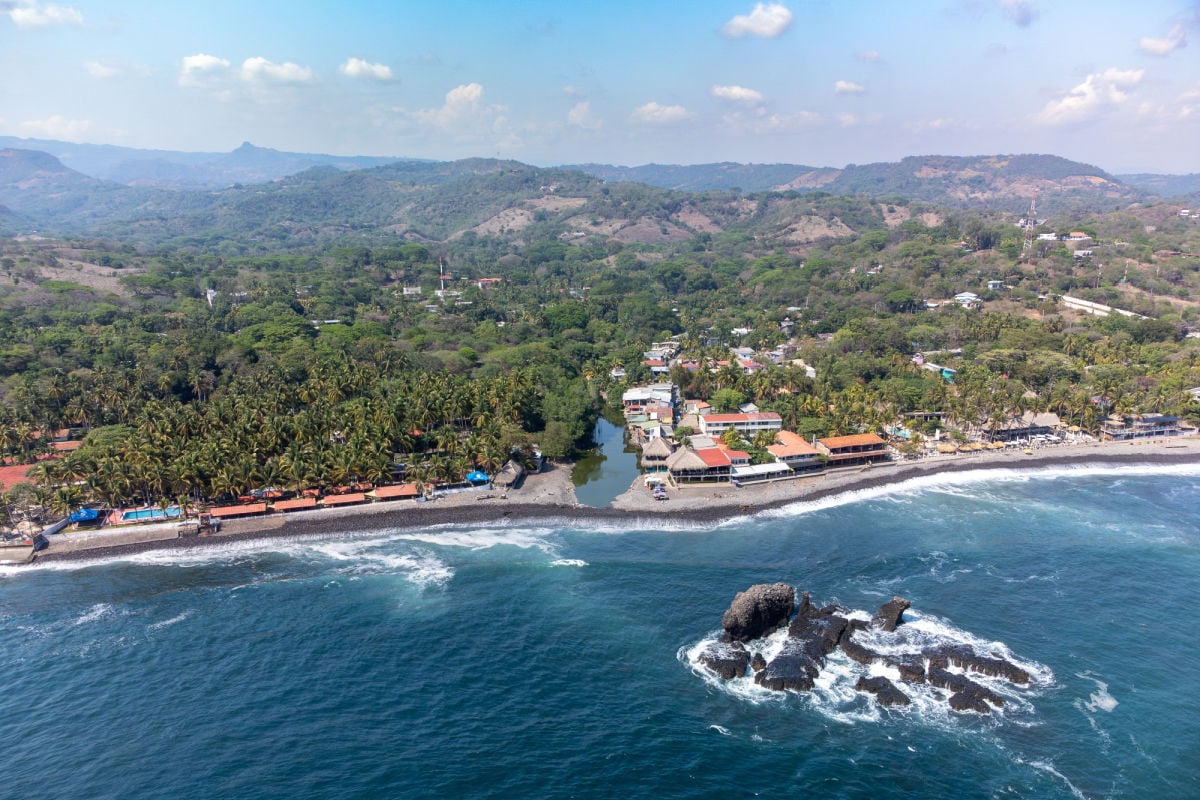
Most travelers land in El Salvador and head straight for the coast of La Libertad, the epicenter of the government’s ambitious “Surf City” initiative.
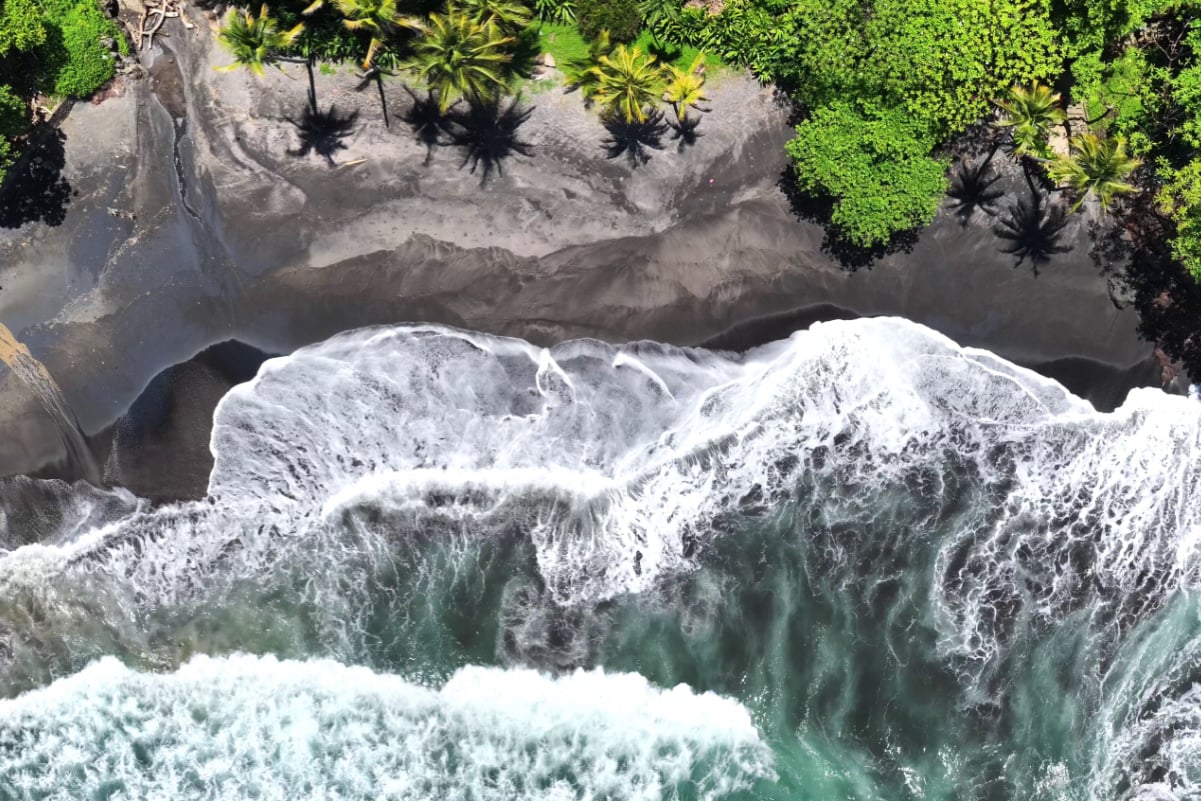
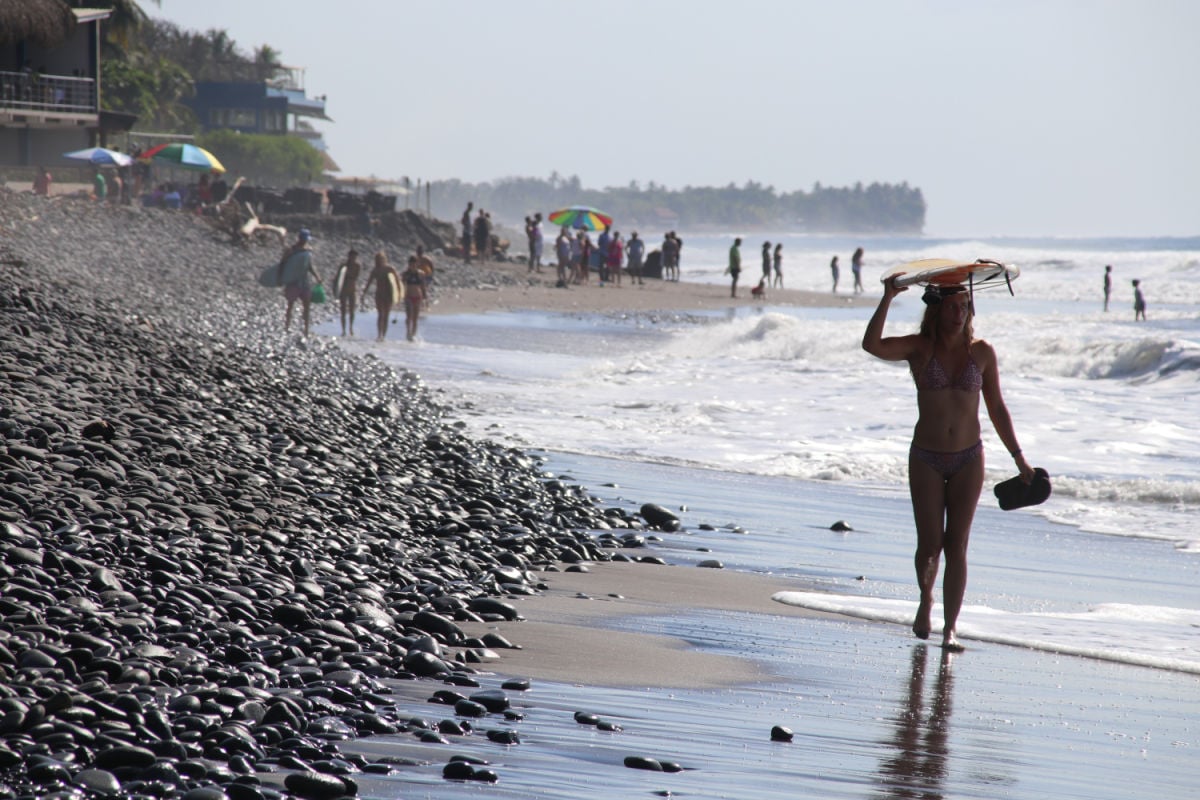
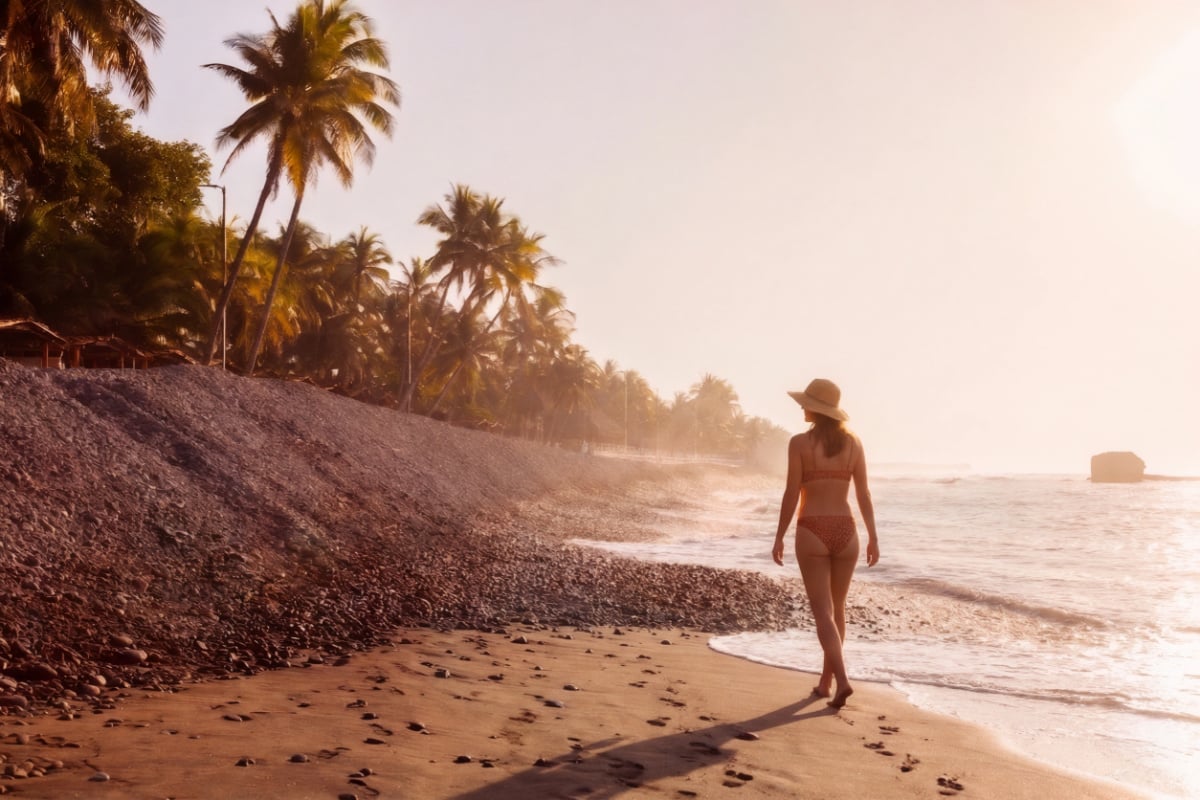
The coastline here isn’t made of flat, blinding white sand; it’s a raw, dramatic stretch of jet-black volcanic shores carved by steep cliffs and powerful ocean breaks.
El Zonte—famously nicknamed “Bitcoin Beach” thanks to its early adoption of cryptocurrency among local beachfront shops—is the crown jewel of the laid-back coastal vibe. You won’t find towering, corporate high-rise hotels blocking the ocean breeze. Instead, it’s a tight-knit enclave of open-air yoga shacks, smoothie stands, and beachfront boutique hideaways.
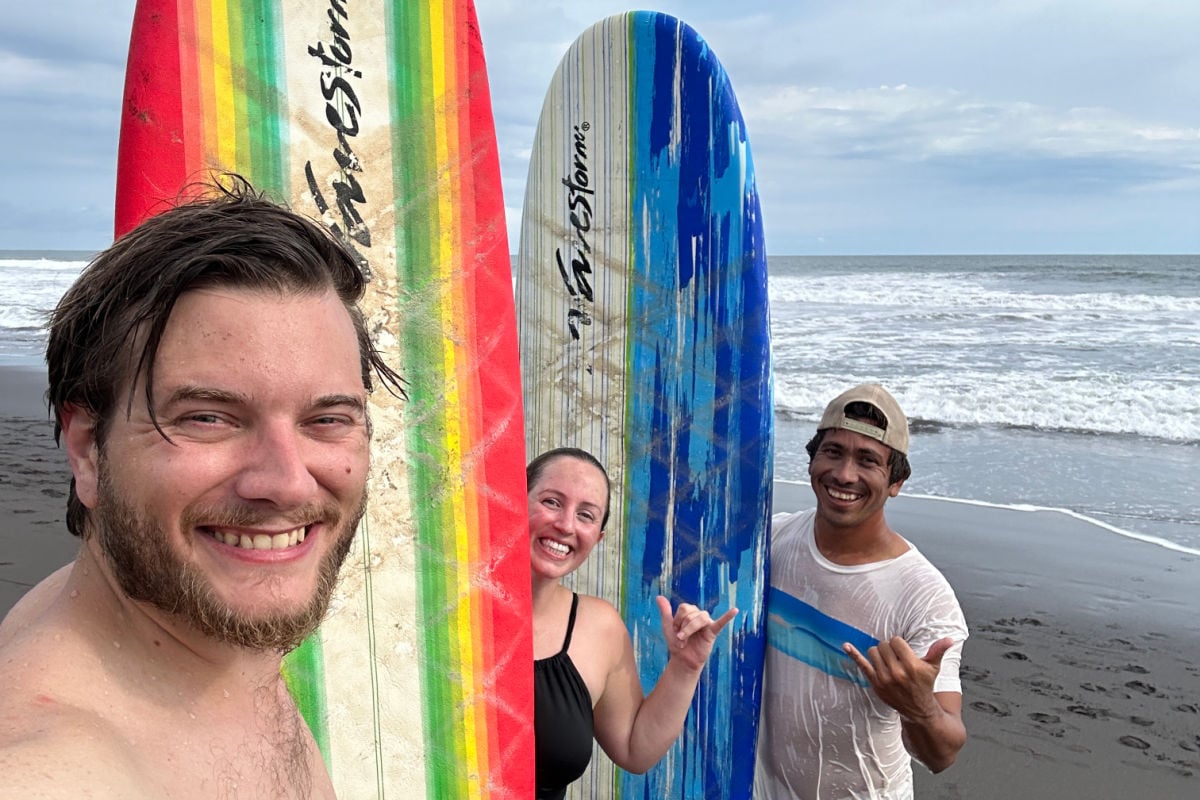
Down the road in Mizata and Punta Roca, the surf conditions are so consistently world-class that the World Surf League has made the region a permanent fixture on its international championship tour. Even if you aren’t catching overhead barrels, taking a beginner surf lesson in 85°F water beats shivering in a winter coat every single day of the week.
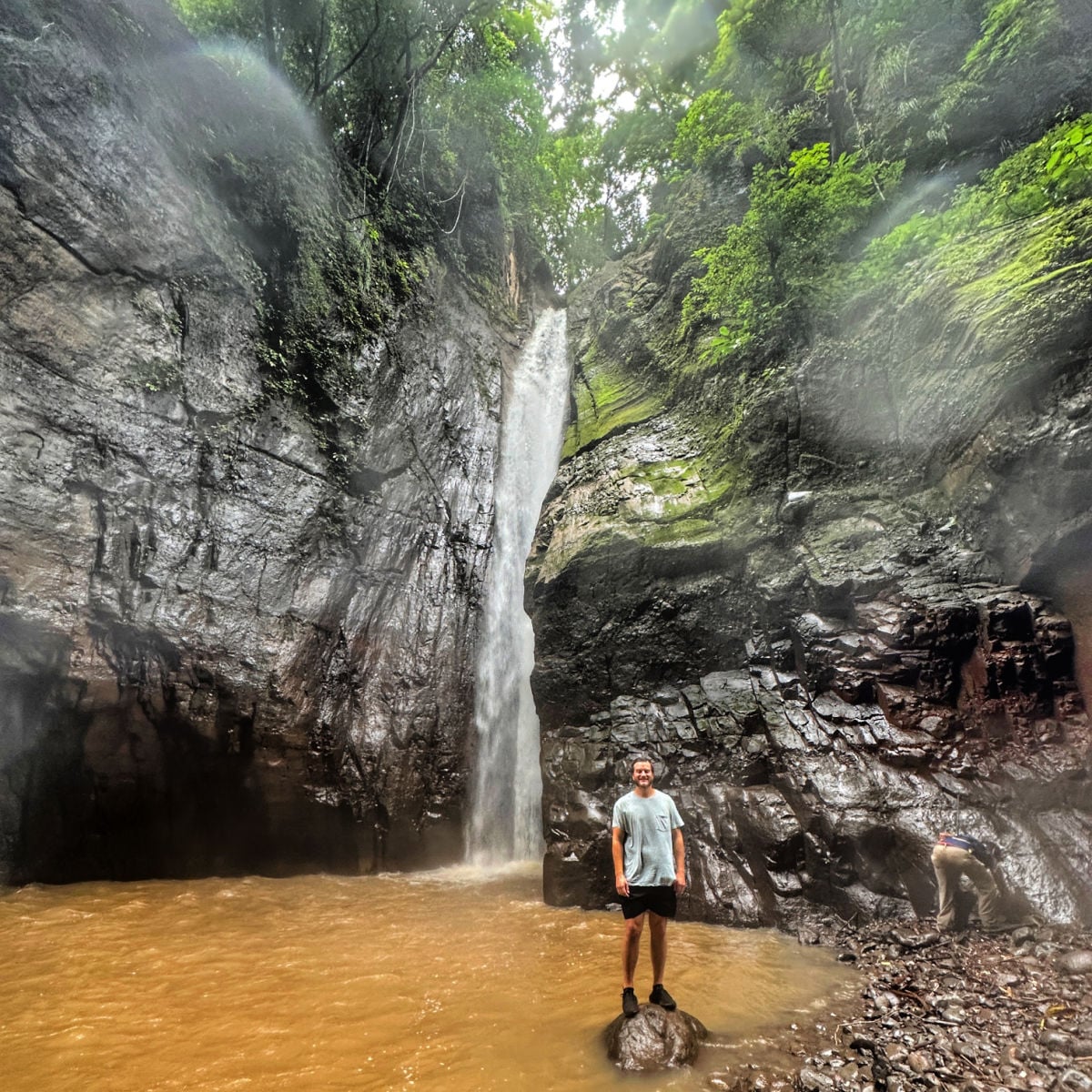
When you need a break from the salt water, the lush mountains rising directly behind the coast hide pockets of pristine wilderness. A short drive into the hills brings you to the trailhead for the Tamanique Waterfalls, where a hike through the jungle rewards you with a series of deep, freshwater cliff-jumping pools tucked into the volcanic rock.
Check Flight Logistics Before You Go
Getting down to Central America used to involve grueling, multi-stop itineraries on tiny propeller planes. Today, direct connectivity from the U.S. is smoother than it has ever been.
Nonstop flights land daily at San Salvador (SAL) from major hubs including Miami, Houston, Dallas, Atlanta, Los Angeles, New York, Washington D.C., and Orlando, operated by carriers like Avianca, United, Delta, and Volaris.
Once you touch down, modern highway infrastructure connects the airport directly to the Pacific coast in roughly 45 minutes, meaning you can board a morning flight from Texas or Florida and be standing on black sand before mid-afternoon.
Beyond The Coast: The Volcano Circuit & Ancient Maya Empires
El Salvador’s compact size is its greatest asset. You can surf the Pacific at sunrise and be standing on the rim of a volcano or wandering ancient ruins by lunchtime.
Just over an hour inland lies Joya de Cerén, an extraordinary UNESCO World Heritage site known as the “Pompeii of the Americas.” Around 600 CE, an eruption from the Loma Caldera volcano buried an entire farming village under layers of dense ash. Unlike classical stone temples, Joya de Cerén preserved everyday homes, cooking utensils, and agricultural fields in pristine detail.
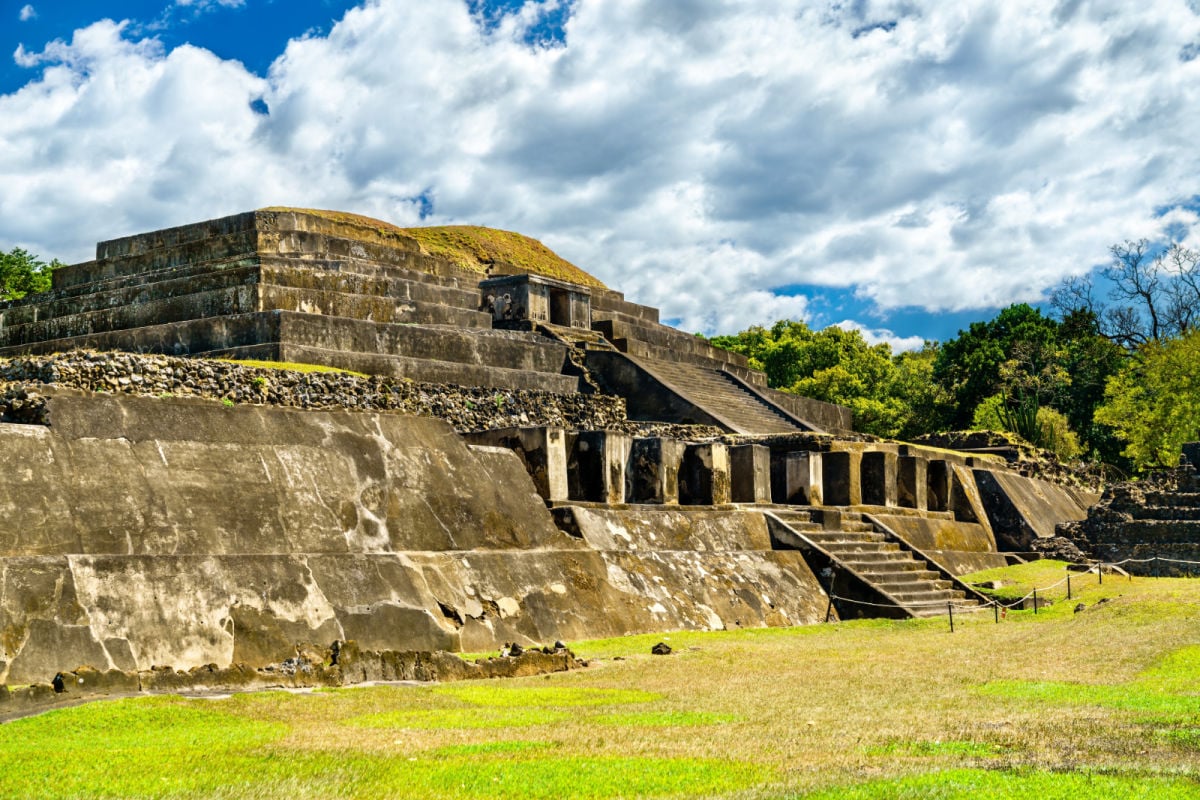
For grand scale, head to Tazumal near Chalchuapa, a complex of towering stepped pyramids that anchored a major Maya trading center.
If you crave cooler mountain air, head west into the Ruta de las Flores, a winding highland route threading through high-altitude coffee plantations and colonial towns like Juayúa and Ataco. For hikers, the trek up Santa Ana Volcano (Ilamatepec) leads to an otherworldly summit overlook staring directly into an emerald-green, steaming sulfuric crater lake.
The $5 Feast: The Pupusa Protocol
You cannot talk about El Salvador without talking about the national dish: the pupusa.
Street food here isn’t an afterthought or a budget compromise—it’s an art form. Walk into any roadside pupusería in the evening, and you’ll hear the rhythmic clapping sound of cooks hand-patting thick pockets of corn masa.
My go-to order is the pupusa revuelta, stuffed to the brim with slow-cooked shredded pork (chicharrón), refried red beans, and gooey local cheese. Top it with a generous mountain of curtido (a tangy, crunchy slaw of fermented cabbage, carrots, and jalapeños) and a ladle of warm tomato salsa.
Three massive, freshly grilled pupusas with a cold glass of horchata or a local Pilsener beer will rarely cost you more than $5.
Average Winter Prices In El Salvador In 2026
Converted into USD (El Salvador uses the U.S. dollar as legal tender). Hotel rates vary by location, season, and how far in advance you book.
- Boutique oceanfront eco-resort: $140–$250 per night
- Mid-range coastal surf lodge: $55–$95 per night
- Rustic mountain guesthouse: $35–$65 per night
- Plate of 3 handmade pupusas: $2.50–$4.50
- Casual seafood dinner with whole fried fish: $9–$14 per person
- Local beer (Pilsener or Golden): $1.50–$2.50
- Fresh coconut on the beach: $1.00–$1.50
- 2-hour private surf lesson with board rental: $30–$45
- Small rental car: $28–$42 daily
- National park entry fee (Santa Ana/Tazumal): $3–$5 for international visitors
Is El Salvador Safe To Visit This Winter?
If you haven’t looked into El Salvador in the past few years, the security transformation is staggering.
- U.S. State Department Advisory: The State Department officially classifies El Salvador at Level 1: Exercise Normal Precautions—its lowest, safest advisory level, putting it on par with destinations like Canada, Iceland, and Japan.
- On-The-Ground Reality: Gang activity across the country has been virtually dismantled under sweeping security policies. While standard travel awareness is always smart when navigating busy bus terminals in downtown San Salvador after dark, the primary coastal, highland, and cultural tourism corridors are heavily patrolled and remarkably peaceful.
- Traveler Confidence: International travelers consistently rate El Salvador among the most hospitable and welcoming destinations in Latin America, citing high visible security along beaches and scenic highways.
Four Ways To Explore El Salvador
The Coast: Surf City & El Zonte
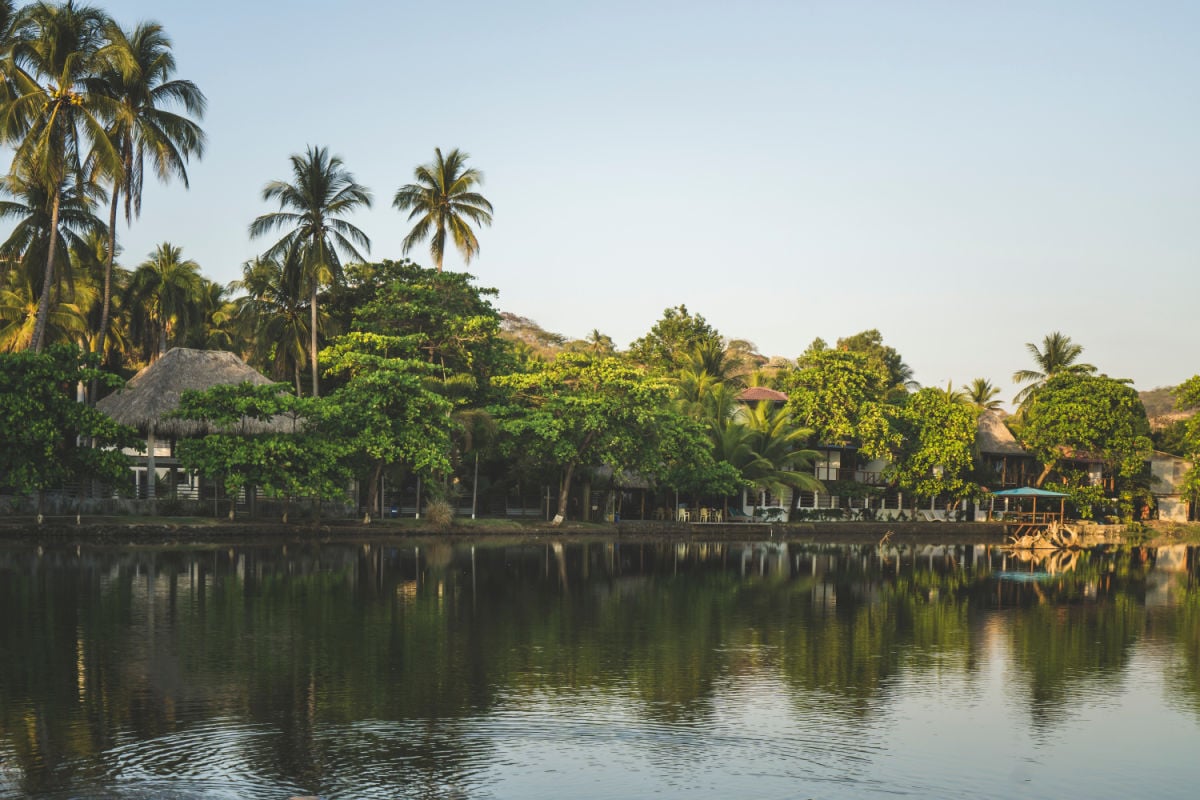
Catch world-class Pacific swells on dramatic black-sand beaches, soak in cliffside infinity pools, and experience the easygoing beach-shack nightlife of El Zonte and Mizata.
The Heritage: Joya de Cerén & Tazumal
Explore the remarkably preserved “Pompeii of the Americas” frozen under volcanic ash, then climb the ancient Maya pyramids of Chalchuapa without the tour-bus crowds.
The Highlands: Ruta de las Flores
Escape to cool, cobblestone mountain towns known for weekend food festivals, active artisan markets, and tours of historic, high-altitude coffee fincas.
The Peaks: Santa Ana Volcano
Trek through pine forests and volcanic scree to reach the rim of an active volcano, rewarding your climb with panoramic views of Lake Coatepeque and an electric-turquoise crater lake.
El Salvador has officially closed the book on its old reputation. Between painless nonstop flights, warm winter waters, incredible hiking, and world-class street food that costs next to nothing, it is easily one of the most exciting travel stories of the year.
Enter your email address to subscribe to Travel Off Path’s latest travel news, straight to your inbox

Source link
