
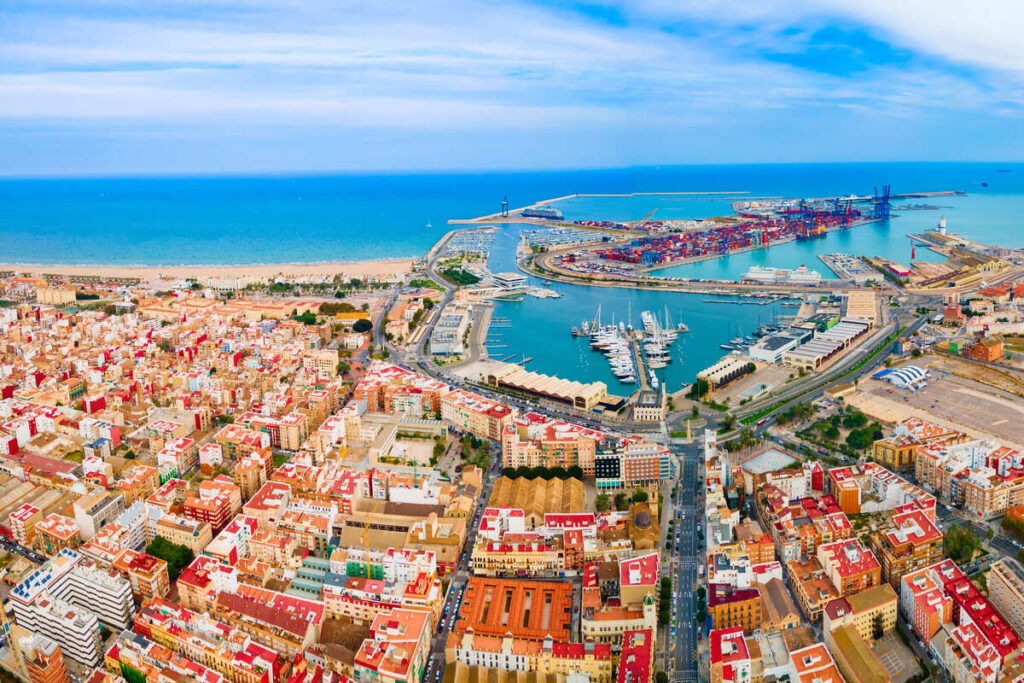
If Barcelona or Mallorca are the only destinations that come to mind when you think of an off-season fall getaway in Spain, think again.
Instead of flocking to the same done-and-dusted hotspots that are, in fact, chasing tourists away, why not give the fast-rising, equally exciting, but still relatively unknown Valencia a chance?
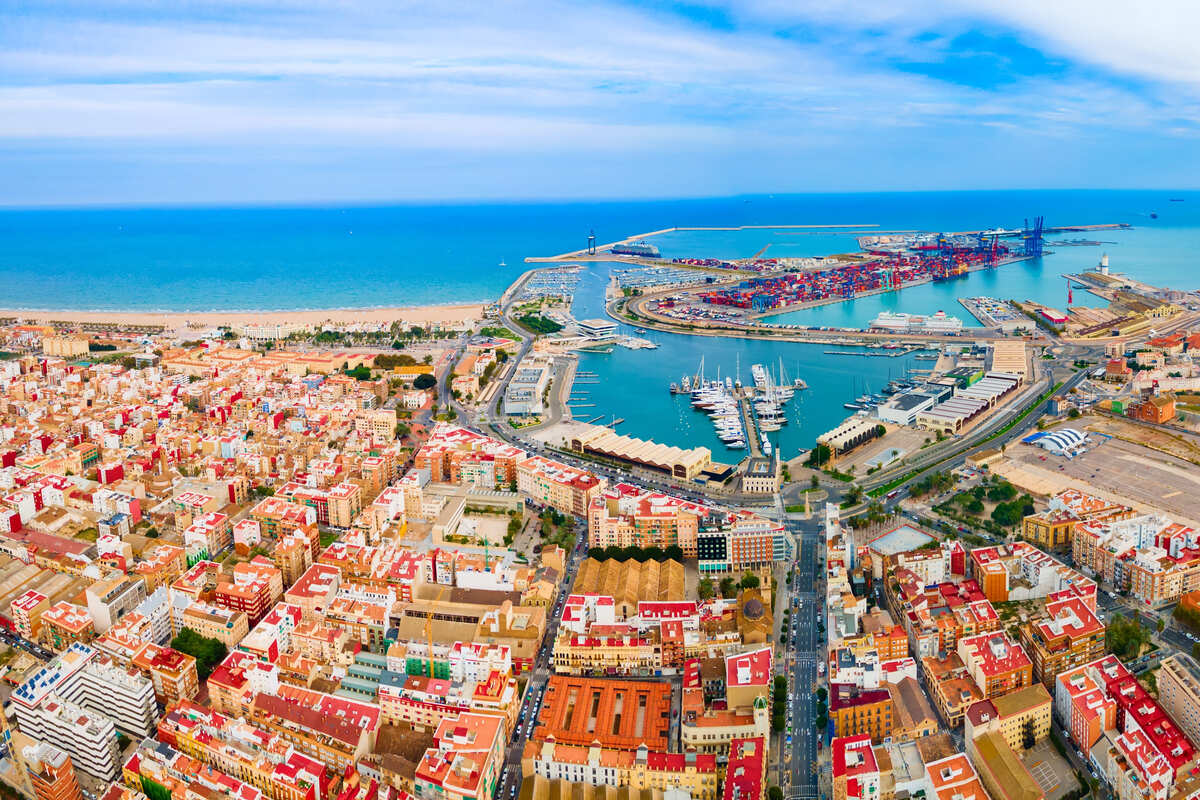
Offering miles of golden sand, over 300 days of sunshine, including surprisingly warm Octobers, and affordable eats, it’s riding quite the tourism wave right now.
According to Spain’s Instituto Nacional de Estadística (INE), the wider Valencian Community welcomed 7.7 million international tourists during the first seven months of 2026, an 8.9% increase over the same period last year.
It’s not exactly a hidden gem waiting to be discovered, nor is it completely untouched by Spain’s ongoing overtourism debate, but the key point is that visitor pressure here isn’t yet in quite the same league as Barcelona’s Gothic Quarter or Palma’s Old Town:
A Smaller, More Chill Barcelona
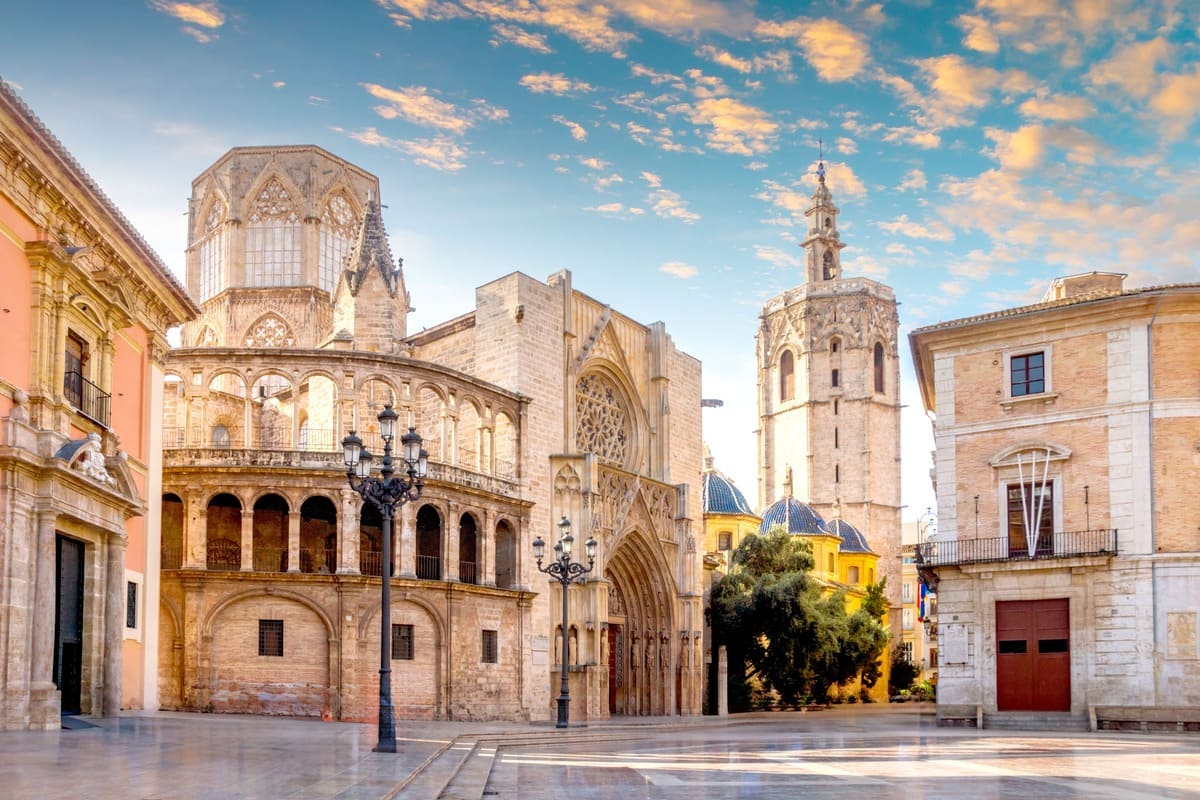
To those of us who slept through most of their history classes in school, Valencia may not be as easily identifiable as a Mediterranean powerhouse like Rome or Marseille, at least nowadays, but it happens to be one of Europe’s oldest and most culturally layered southern cities.
The fact that its origins can be traced back to a Roman colony founded in 138 BC really says it all.
It’s been a Roman outpost, a Visigothic stronghold, and a prosperous Muslim city known as Balansiyya, before James I of Aragon conquered it in 1238 and made it the capital of the newly created Kingdom of Valencia, within the Crown of Aragon.
It feels like every major Mediterranean civilization you can possibly name has had its eyes set on controlling Valencia at some point, and the city’s architectural riches are surviving proof of that.
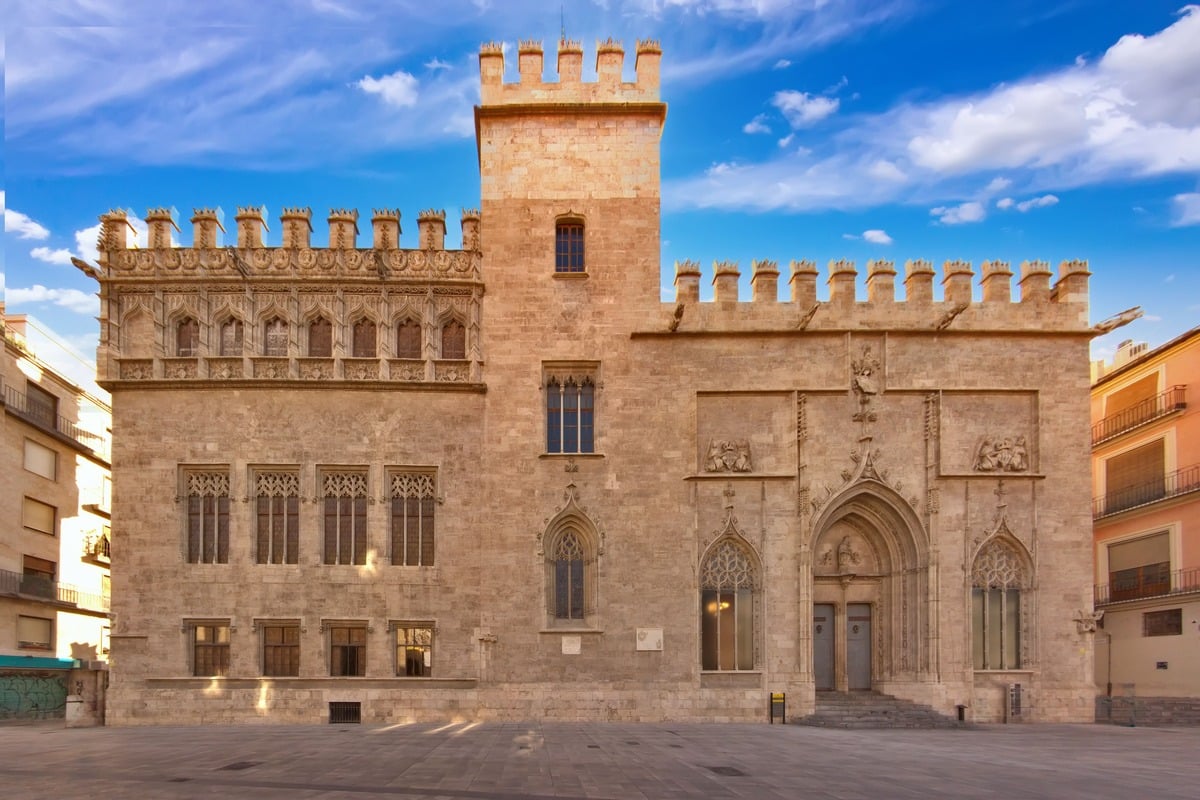
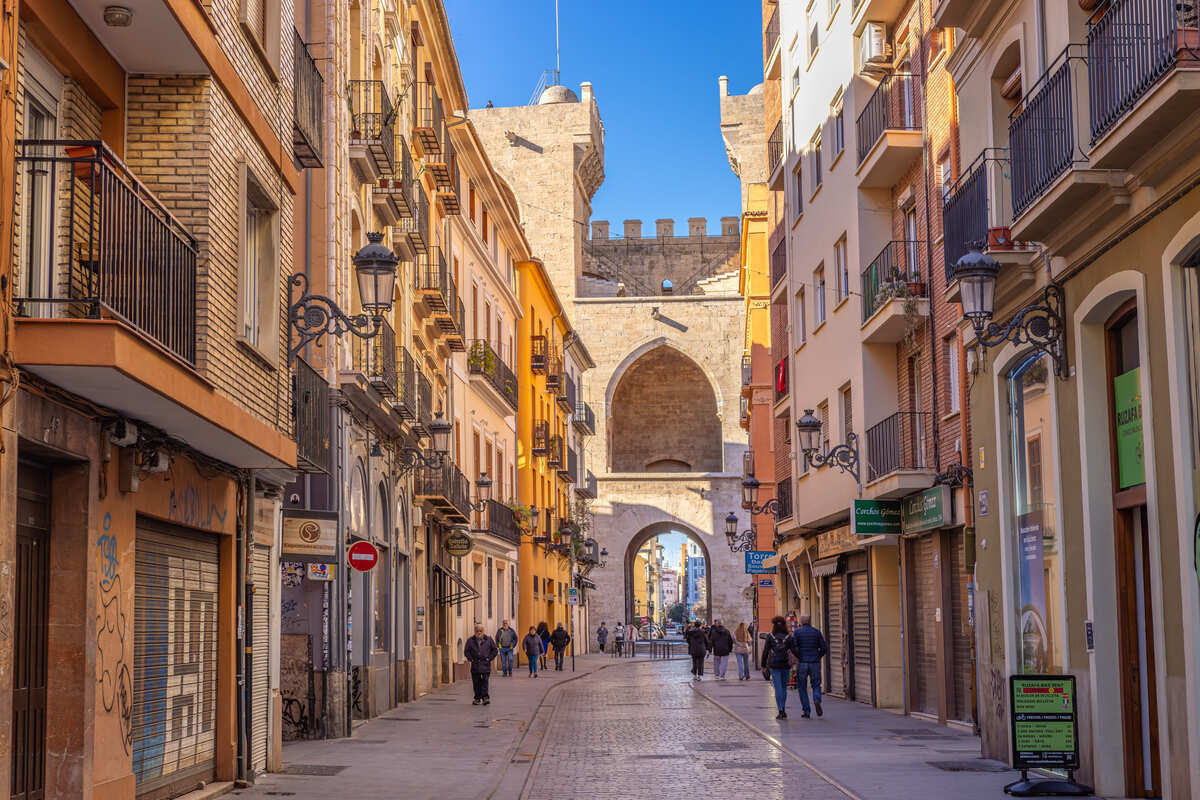
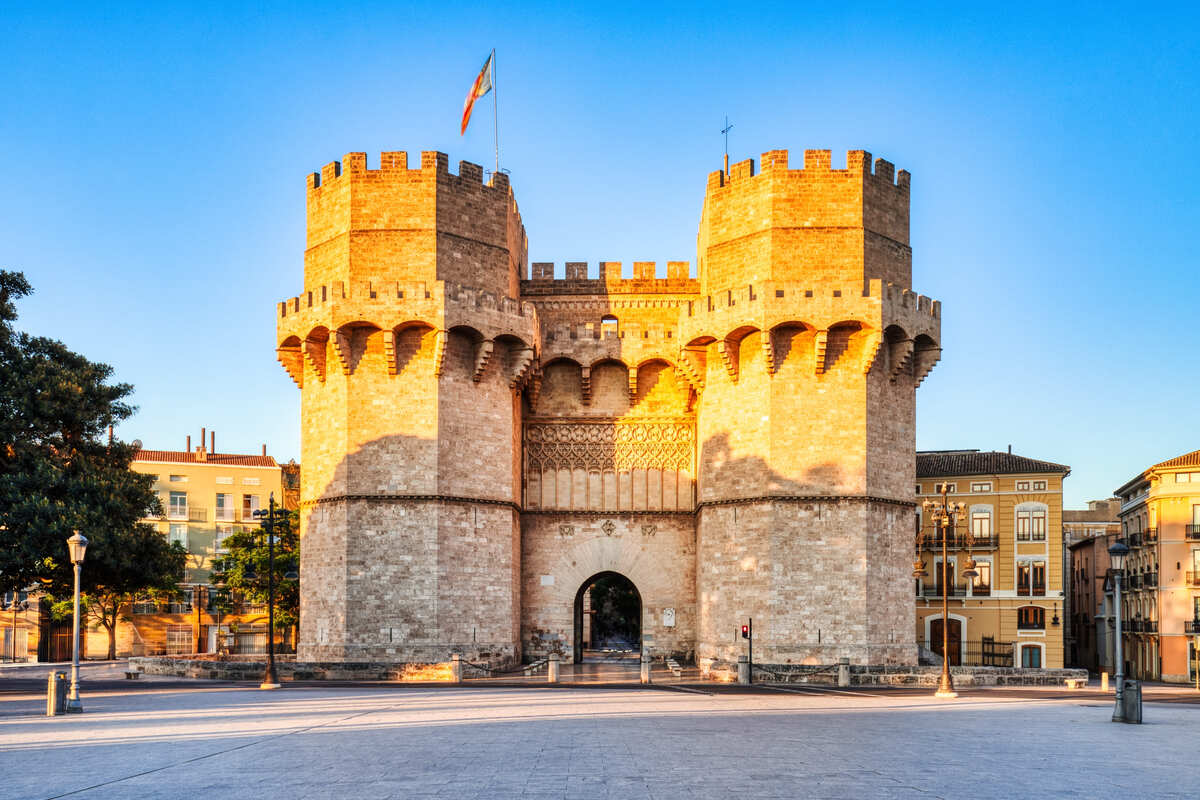
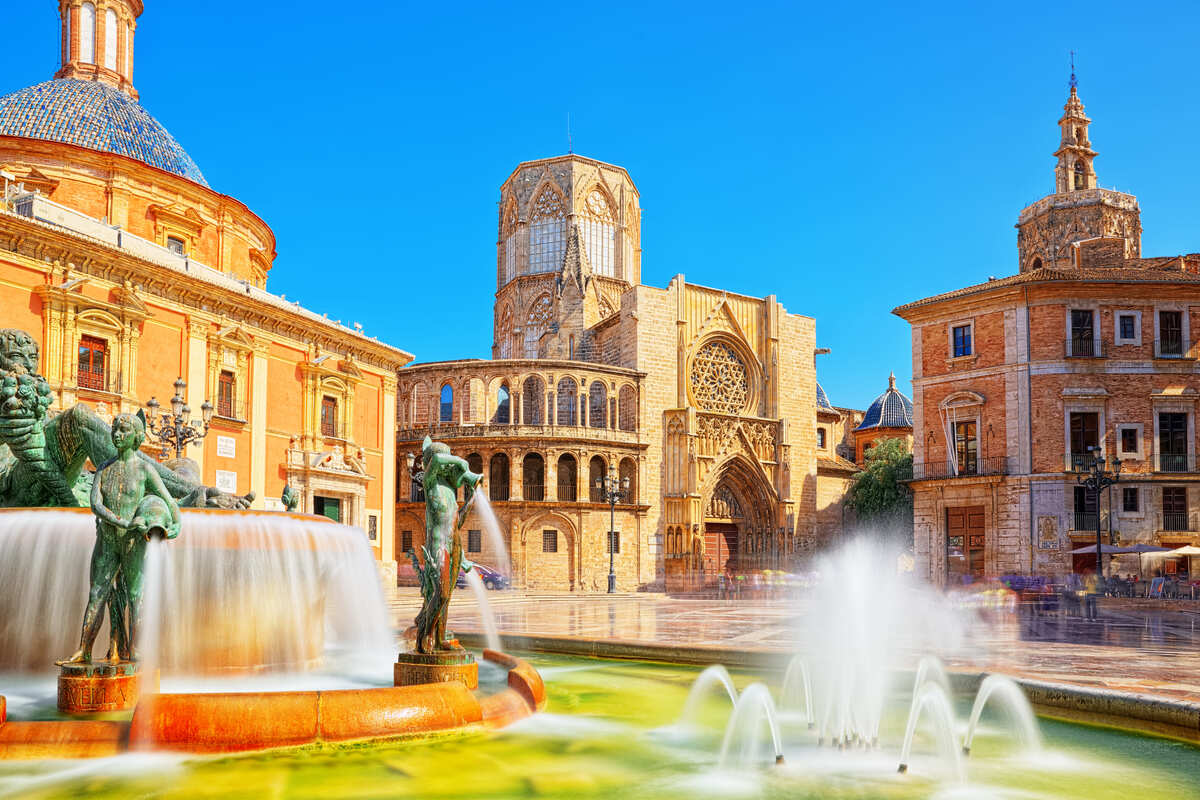
Valencia doesn’t have one single identifiable landmark like Barcelona’s Sagrada Família or Madrid’s Royal Palace, but rather a fairly large Historic Center made up of medieval, Baroque, and Valencian Modernist structures, all in a remarkable state of preservation.
What To See In Valencia This Fall
- The Silk Exchange
- The Cathedral
- Miguelete Tower
- City of Arts and Sciences
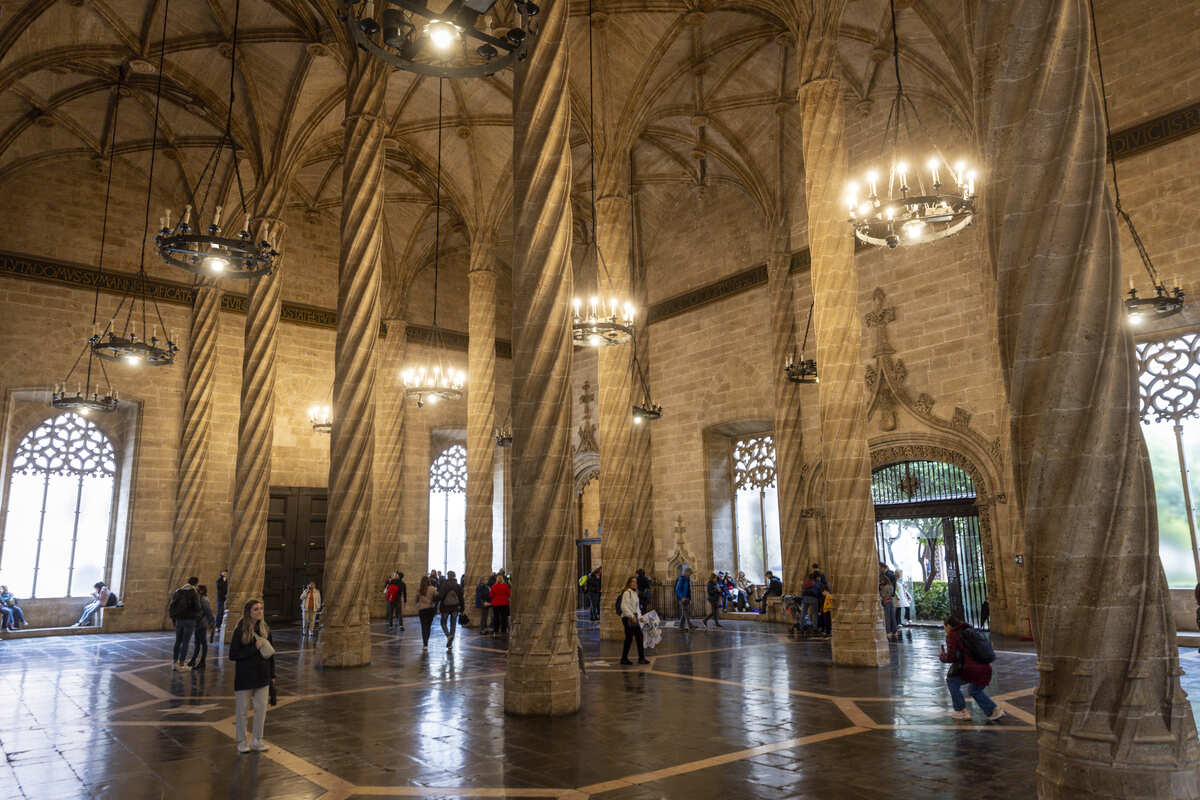
The undisputed star here is La Lonja de la Seda, a late 15th-century silk exchange built in the Valencian Gothic style that feels like a stone dreamscape.
Think spiraling columns rising into star-shaped ribbed vaults, carved gargoyles staring down from the walls, and a quiet orange-tree courtyard: no wonder it’s a UNESCO World Heritage Site.
Only a five-minute walk away, Valencia Cathedral is an equally impressive medieval gemstone, home to a chapel holding a chalice traditionally claimed to be the Holy Grail.
Whatever you do, make the effort to haul yourself up the 207 steps of the Miguelete bell tower for sweeping views over the sprawling historic center.
The real showstopper, though? We mean, the landmark people usually clap eyes on and immediately go, ‘Yep, that’s Valencia’.
That would be the City of Arts and Sciences, a huge complex of white, futuristic buildings that stop just short of looking like alien spaceships, surrounded by interconnected reflecting pools, landscaped walkways, and palm-lined gardens.
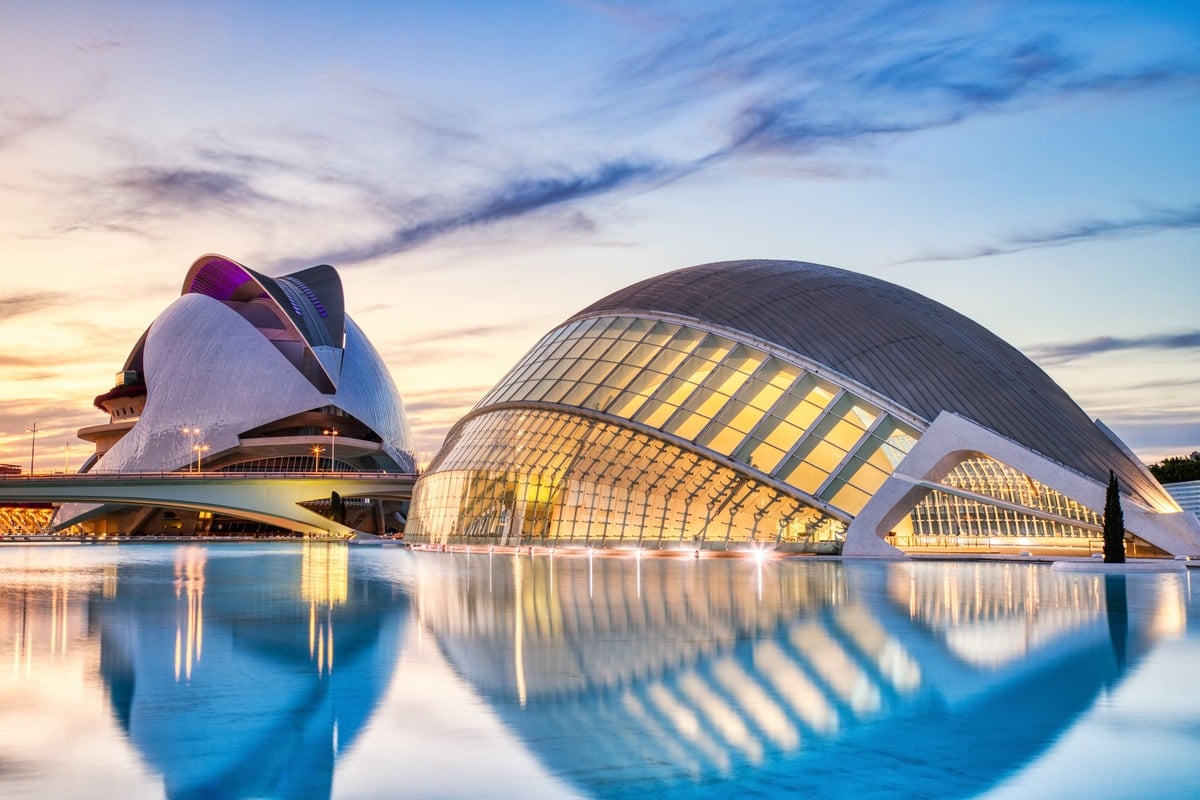
They house the city’s Science Museum, the Oceanogràfic aquarium, the Hemisfèric planetarium and cinema, and the Palau de les Arts Reina Sofía opera house, forming arguably one of Spain’s most instantly recognizable architectural ensembles.
Personally, I can’t say that’s my Valencia highlight. 7-plus years into this travel writing thing, you know me well enough by this point to know I won’t budge an inch for modernist blobs, but the bone-white structures reflecting on the water and the sheer sci-fi scale aaaare kinda cool?
I’ll give Valencia that.
Valencian Food Is Worth The Flight Here Alone
Your main reason for coming to Valencia, though? The food.
We’re genuinely convinced that’s half the reason why the city’s undergoing such a popularity boom right now, especially given how much more authentic, and still reasonably priced, everything is.
Sitting down for a plate of esgarraet—roasted red peppers, salted cod, garlic, and olive oil—plus a cold caña in a no-frills bar in the historic core won’t usually set you back more than $10–14.
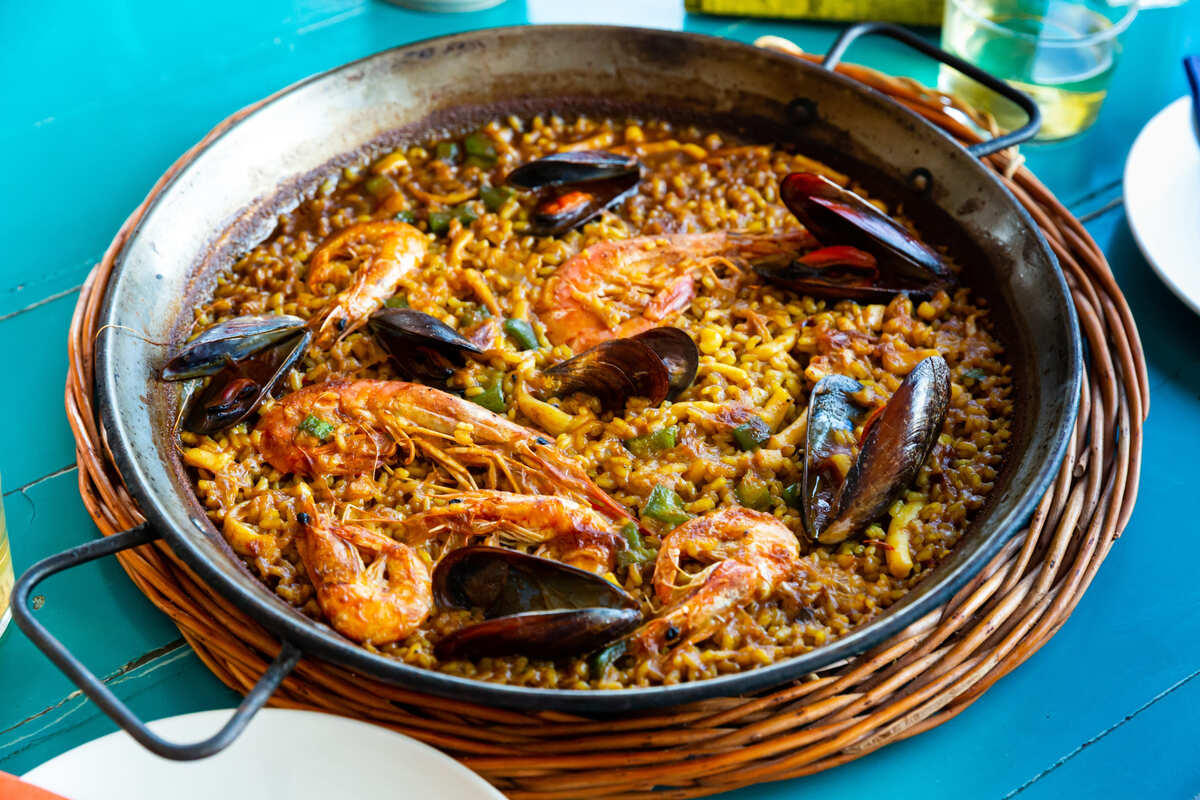
If you’re feeling properly peckish and could do with a more elaborate, wood-fired paella instead, budget roughly $27–35 per person at a local-frequented restaurant in El Cabanyal.
There’s no giving the Central Market a miss, either: for all my beef with Modernist architecture, this ornate market hall directly facing La Lonja is packed with fresh produce, hanging legs of jamón, spice counters, glistening seafood, and quick-eat counters.
Note From The Editor
Just one sec! If you enjoy reading great human-written articles, the best way to see a few more is to follow us on Google so we become one of your preferred websites. Thank you so much for reading. Now back to the story!
The paper cones of freshly carved jamón ibérico and local cheese might be worth the 8-hour Transatlantic flight alone.
Check The Travel Rules Before Flying To Europe This Fall
Speaking of Transatlantic flights, the European Union, of which Spain is a member, recently completed the rollout of its new Entry/Exit System, which records Americans, alongside other non-European visitors, whenever they cross an external Schengen border.
During your first registration, this will normally involve having your fingerprints and facial image taken, while subsequent entries and departures are logged digitally.
This is designed to ensure visitors comply with the Schengen Area’s 90-days-in-any-180-day-period rule and don’t overstay their welcome.
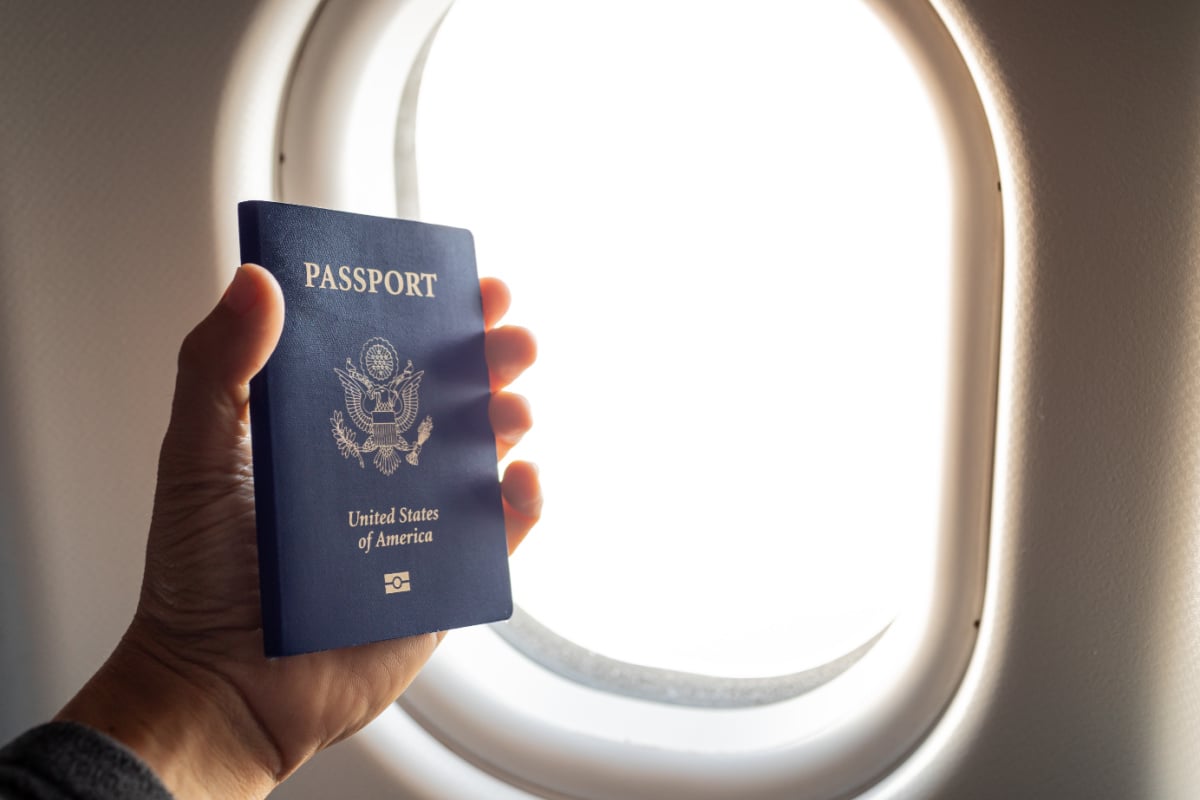
If you’re still unsure which regulations apply at your destination, be it Spain or elsewhere, and you’ve got an international trip lined up soon, head over to the Entry Requirement Checker to run a quick destination check before flying.
How Are Beaches Like Here?
Barcelona may have the world-famous Barceloneta Beach, but it doesn’t hold a candle to Malvarrosa, Valencia’s classic city beach.
It’s a broad, roughly 1.1-mile-long stretch of fine golden sand backed by a wide seafront promenade, seafood restaurants, and cafés, all a short bus ride from downtown Valencia.
You know how the main beaches in major European cities are usually overrun with tourists, stag dos, and day-drinkers, while locals themselves prefer heading farther out?

Well, Malvarrosa is anything but a British or German holiday playground.
Valencians themselves come here on weekends for a long lunch, a swim, and a cheeky kip in the sun, and this fall, when average October highs still hover around 75°F and the water remains a mild 72°F, you can squeeze in a proper beach day without roasting.
That said, October is also one of Valencia’s wetter months, so don’t arrive expecting uninterrupted sunshine from dawn till dusk.
If you’d prefer a little more breathing room, El Saler is a dune-backed, pine-fringed, far less built-up option right on the doorstep of Albufera Natural Park.

It’s perfect if you want that genuinely wild, windswept Mediterranean beach feel without venturing too far into the wider Valencian countryside.
Valencia Is Incredibly Safe By Southern European Standards
The best part about beach-hopping in Valencia this fall, other than the fact it can still be a balmy 75 degrees out?
Valencia is a relatively low-risk, easygoing destination for travelers, as reflected in crowdsourced safety databases like Numbeo and firsthand reports from recent visitors.
Numbeo’s current crowdsourced data gives Valencia a Crime Index of around 38 out of 100 and a Safety Index of roughly 62.
Respondents rate violent crime, armed robbery, and physical assault as relatively low concerns, and Spain currently sits at Level 2 on the U.S. Department of State’s travel advisory scale due to terrorism and unrest.
Valencia itself is not singled out as a higher-risk destination.
As long as you keep your wits about you and don’t leave valuables unattended on the beach, you can enjoy Valencia with sensible precautions, knowing your main concerns here are petty theft in busy areas, sunburn, and maybe putting on a few extra pounds.
As for Spain as a whole, it currently scores an impressive 91 out of 100 on Travel Off Path’s Traveler Safety Index, a live, crowdsourced tool measuring how safe destinations feel based on on-the-ground reports from recent tourists.
Why Pick Valencia Over Any Other Spanish City
If we were to summarize it, Valencia is a great Barcelona dupe because:
- You still get that big Mediterranean city combination: historic quarters, grand architecture, excellent food, and broad sandy beaches
- It feels more relaxed and manageable, with a more compact historic center and a flatter, bike-friendly urban layout, making it easier to cover over a long weekend
- Beach access is a major plus: while Barcelona has several city beaches beyond Barceloneta, they tend to feel busier and narrower; Malvarrosa is a golden-sand sweep right on Valencia’s doorstep
- Food is on a whole ’nother level: in case you weren’t aware, Valencia is the actual birthplace of paella, and there’s nowhere better to have it in Spain than on its home turf
Enter your email address to subscribe to Travel Off Path’s latest travel news, straight to your inbox

Source link
